ADVANCED BUDDHIST STUDIES
an online ten-week course
with Lodro Rinzler & Scott Tusa
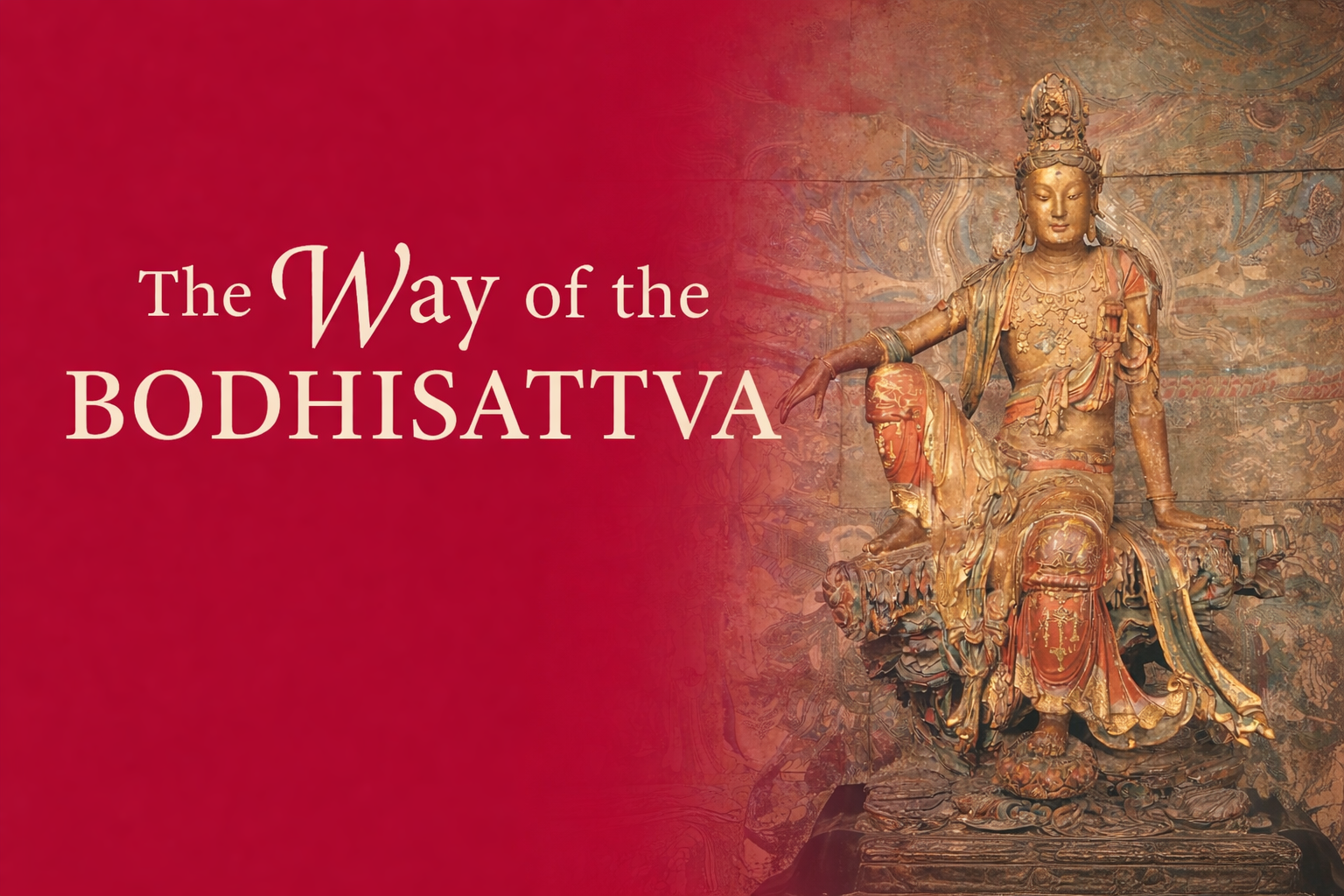
During these turbulent times we need to be more open-hearted than ever. In this advanced Buddhist studies course we learn how to become bodhisattvas, or warriors with awakened hearts.
In this class we work our way through the 8th century text by Indian monk and scholar Shantideva: The Way of the Bodhisattva.
One of the most famous Buddhist texts ever, it serves as a "guide to cultivating the mind of enlightenment, and to generating the qualities of love, compassion, generosity and patience.”
Intended for those with a familiarity in Buddhism and seeking a path for deeper study, each session is one half commentary and guided contemplations on the key points, and one half small group discussion on how to integrate these ancient teachings into our modern life. Part class, part discussion group, this is a chance for a small number of students to go deep in their studies with two well-studied Buddhist teachers.
Timing
This class runs live on Thursdays from 8:00PM-9:00PM EST, April 23rd - June 25th
All classes are recorded for anyone who is unable to attend live
The Teachers
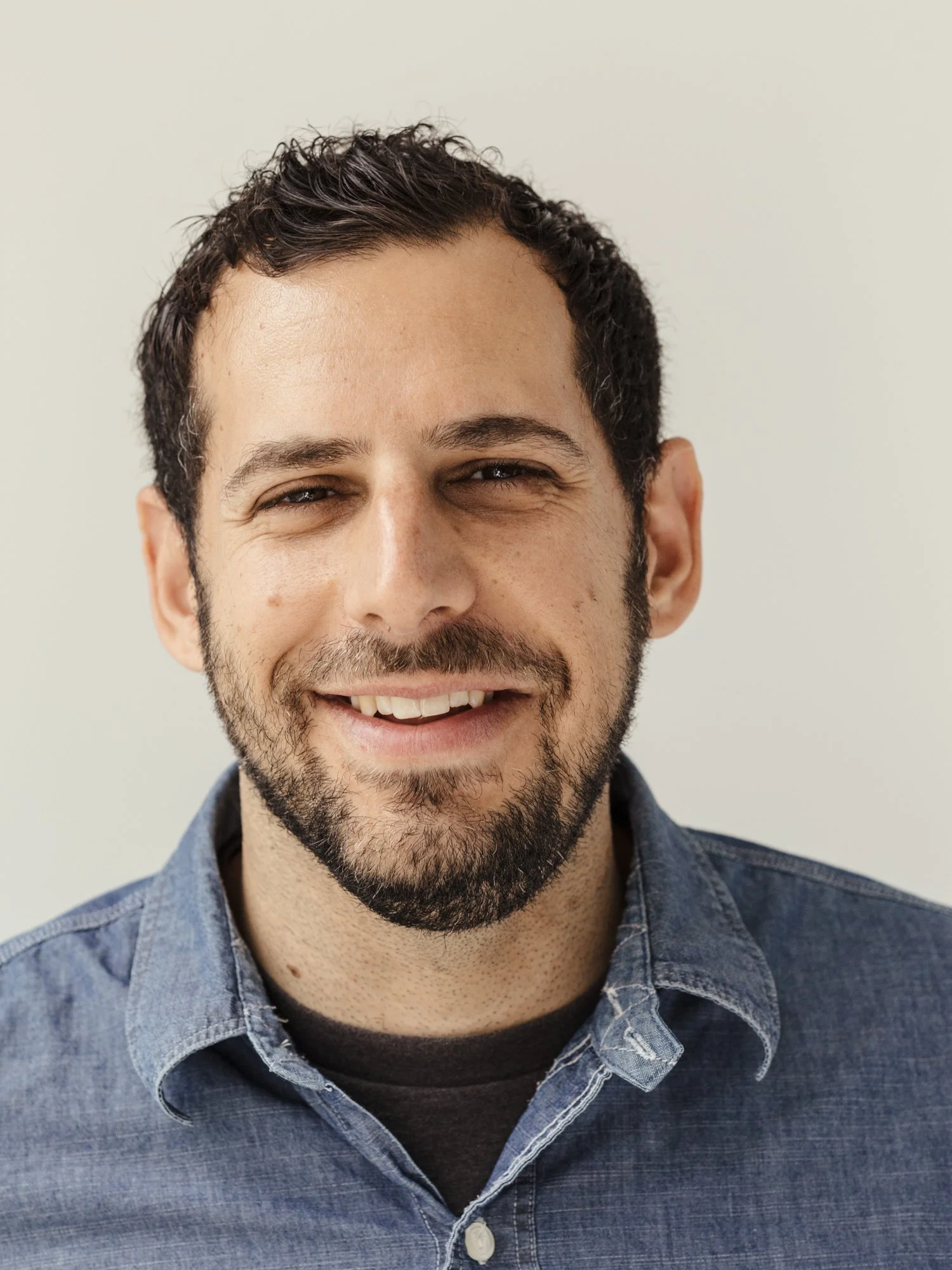
Scott Tusa is a Buddhist meditation teacher who has spent over two decades exploring how to embody and live meaningfully through the Buddhist path. At sixteen, his mother's death sparked a deep search for healing and spiritual wisdom that led him to Tibetan Buddhism. He was ordained as a monk by His Holiness the 14th Dalai Lama at age twenty-eight and spent nine years in monastic life, engaging in solitary retreat and studying under his main teachers Lama Zopa Rinpoche and Tsoknyi Rinpoche. Today, Scott guides meditators in group and one-on-one settings across the United States, Europe, Latin America, and online, specializing in mentoring dedicated practitioners looking for in-depth support in bringing Buddhist wisdom to their modern lives.
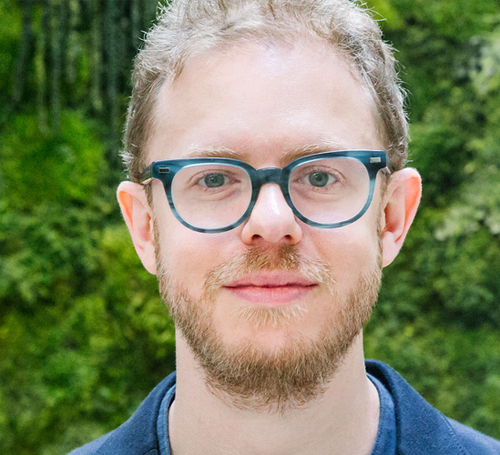
Named one of “50 Innovators Shaping the Future of Wellness” by SONIMA, Lodro Rinzler is a life-long meditation practitioner and has taught Tibetan Buddhism for over twenty-five years.
He's the author of eight Buddhist books, including the international bestseller The Buddha Walks into a Bar and the new book You are Good You Are Enough.
His work has been featured widely, including in The New York Times, The Wall Street Journal, The Atlantic, Good Morning America, CBS, and NBC. He lives in upstate New York with his wife and daughter. Learn more about Lodro Rinzler here and his books here.
Please Note
Pre-requisites - Previous experience with Buddhist studies
Price - Sliding scale. If you wish to offer more or less than the options below, please email lodrorinzler@gmail.com with the rate that works for you. No one will be turned away due to financial obstacles.
Registration
Five week course beginning October 22nd
The Full Curriculum
Class 1: Who is Shantideva and What is a Bodhisattva?
Reading: Foreword, Introduction, Appendix 1
Class 2: The Dawning of Bodhichitta, the Awake Heart
Reading: The Excellence of Bodhichitta, Confession, Taking Hold of Bodhichitta
Class 3: How to Protect Bodhichitta from Waning
Reading: Carefulness
Class 4: Be The Master of Yourself
Reading: Vigilant Introspection
Class 5: Children Can't Help Crying When Their Sand Castles Come Crumbling Down
Reading: Patience
Class 6: How to Intensify Your Experience of Bodhichitta
Reading: Diligence
Class 7: The Mind That You Perhaps Desire, You Cannot Hold or Look Upon
Reading: Meditative Concentration
Class 8: Equalizing and Exchanging Self for Other
Reading: Appendix 2 and 3
Class 9: If Suffering Itself is Truly Real, Why is Joy Not Altogether Quenched?
Reading: Wisdom
Class 10: May Beings Never Suffer
Reading: Dedication

LODRO RINZLER is a Buddhist meditation teacher, the award-winning author of 7 books, including the bestseller The Buddha Walks Into A Bar… and the co-founder of MNDFL Meditation studios in NYC. He lives upstate with his wife, daughter and four furry beings.
“For the four years I've been studying with Lodro, he always pushes me towards more compassion and sensitivity for myself and others. In his teaching, Lodro consistently provides the perfect mix of traditional wisdom and contemporary experience, showing that what we think are our oh-so-modern problems are really pretty much the same as the ones humans have always been encountering.”
— Sharon